Couples therapy that helps you feel close again
Conflict, distance, an affair, or the slow drift that comes with work and children. Using Emotionally Focused Therapy (EFT), I help couples understand the pattern between them and rebuild a bond that feels safe.

What couples bring to therapy
- Arguments that go in circles and never resolve
- Feeling lonely, even when you are together
- Infidelity and broken trust
- Talking that turns into criticism, defending or shutting down
- Strain after a baby, a move, an illness or a loss
- Differences in culture, faith or family expectations
- Premarital counselling, before problems take root
- Deciding whether to stay together
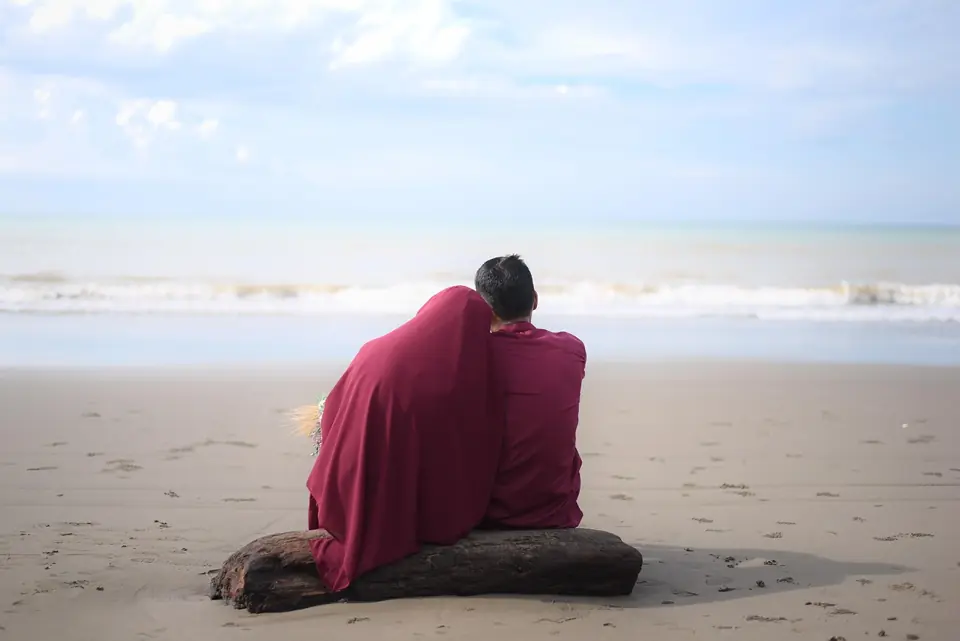
What is Emotionally Focused Therapy?
EFT is a structured, research-based approach to couples therapy built on attachment science: the understanding that we all need to know our partner is there for us, especially under stress. When that sense of safety feels shaky, partners fall into a cycle of protest and withdrawal.
EFT is one of the most studied forms of couples therapy. Research has found that most couples move from distress to recovery, and that the change tends to last. I trained through the International Centre for Excellence in Emotionally Focused Therapy (ICEEFT): the Externship, Core Skills, and Emotionally Focused Individual Therapy levels 1 and 2.
How the work unfolds
EFT moves through three stages. We go at a pace that feels manageable for both of you.
Calm the cycle
We map the pattern that keeps you stuck, so you can both recognize it and step out of it sooner.
Rebuild the bond
Each of you shares the fears and needs underneath the pattern, and the other learns how to respond.
Make it last
You practise solving everyday problems together from a place of safety, so the change holds.

What sessions look like
Both partners join the same secure video session, from home. Early on, I may also meet each of you once on your own. I stay balanced throughout: my job is not to take sides or decide who is right, it is to help both of you feel heard.
Each partner creates their own profile and completes the intake and consent forms before the first session, so we can start promptly.
I welcome couples of every background, and I bring particular care to faith and culture, including for Muslim couples.
Safety comes first. If there is violence, threats or fear in the relationship, couples therapy may not be safe. I speak with each partner about this, and we can start with individual support instead.
Questions about couples therapy
How many sessions will I need?
It depends on what you bring and what you want to change. Some people come for a few sessions to get through a specific situation; others prefer longer work. Many couples in Emotionally Focused Therapy notice real change within 8 to 20 sessions. We review progress together along the way.
What if my partner is not ready to come?
You can start on your own. Individual sessions can help you understand your part in the pattern and how to respond differently, and many partners join later once they see something shifting.
Do you offer premarital counselling?
Yes. Premarital counselling is a chance to talk about expectations, family, faith, money and conflict before problems take root, and to learn how you each handle stress.
Can therapy help after an affair?
Yes. Infidelity is one of the most painful things a couple can face. EFT gives a clear structure for the hurt partner to be heard, for the partner who had the affair to take responsibility, and for both of you to decide what comes next.
Is therapy with you covered by insurance?
Most extended health plans cover services by a Registered Social Worker (RSW). You receive a receipt after each session to submit to your insurer. Check how much your plan covers each year, and whether couples sessions are claimed under one partner. See fees and insurance.
Ready to talk about your relationship?
Start with a free 15-minute call. One or both of you can join, and you can ask anything before deciding.