My specialty
Emotionally Focused Therapy for couples
Emotionally Focused Therapy (EFT) is a structured, research-based approach that helps couples understand the pattern that keeps them stuck, and rebuild the bond underneath it. It is the heart of my work with couples.

What EFT understands about love
EFT is built on attachment science: the understanding that people are wired to need a few close others they can count on, from the cradle to old age. Needing your partner is not a weakness. It is how we are made.
In a couple, the question underneath almost every fight is simple: Are you there for me? Do I matter to you? Will you come when I need you? When the answer feels uncertain, we protest, or we protect ourselves. EFT works with that question directly.
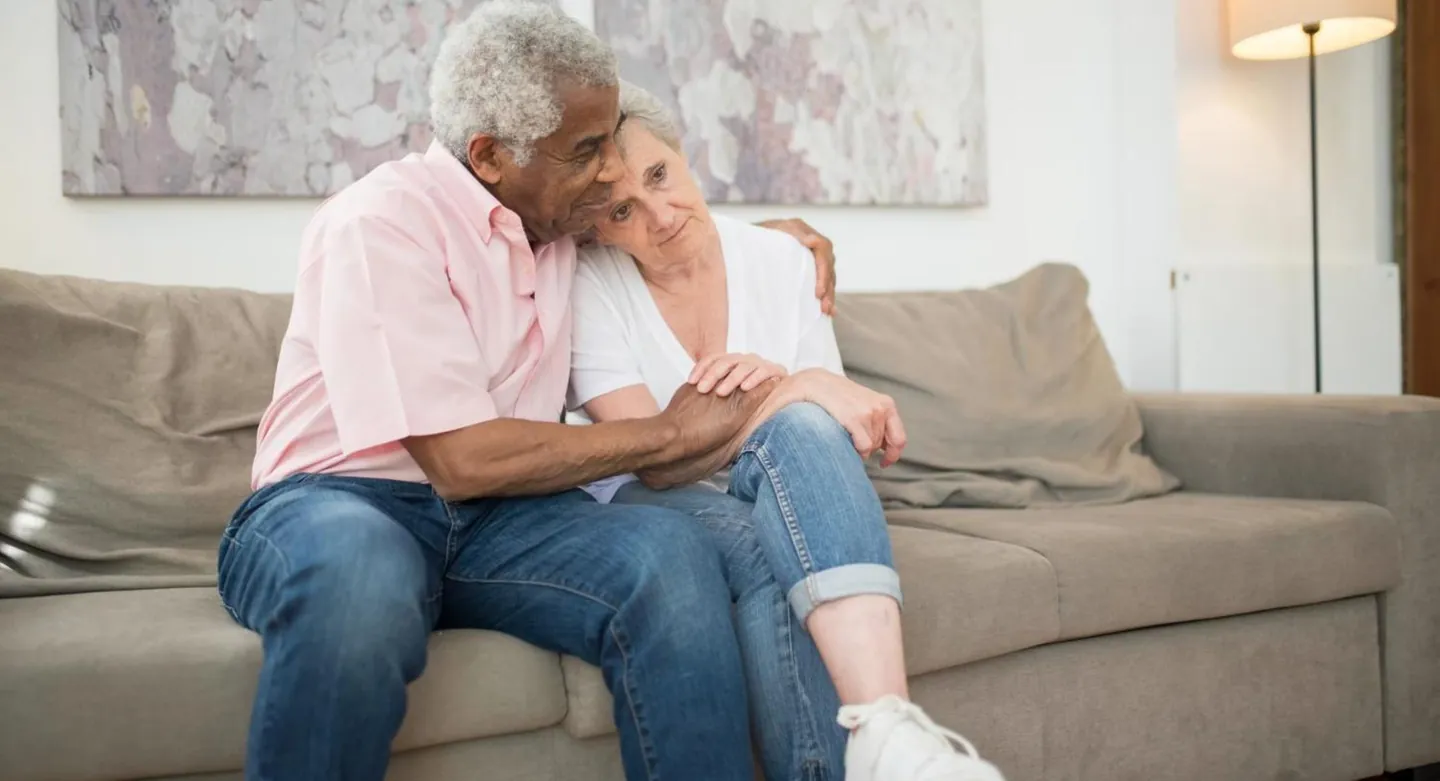
What a secure bond feels like
Accessible
Can I reach you? You stay open to me, even when things are hard.
Responsive
Can I count on you to respond? You hear me, and how I feel matters to you.
Engaged
Will you stay close? You are present with me, and you show it.
Dr. Sue Johnson, who developed EFT, summed these up as A.R.E.: accessible, responsive and engaged.
The cycle that keeps you stuck
When the bond feels shaky, partners fall into a pattern of moves and countermoves. Each move makes sense on its own. Together they create a loop that leaves both of you feeling alone.
- Something small sets it off: a tone, a late reply, a plan that falls through.
- One partner reaches out harder to be heard. The other hears criticism and pulls back to keep the peace.
- The pulling back feels like rejection, so the first partner pushes harder. Round it goes.
In EFT the cycle, not your partner, becomes the problem you face together.
Three common patterns
Every couple's cycle is their own, but most fall into one of three shapes. Knowing yours is the first step out of it.

One reaches, one pulls back
The most common pattern. One partner pursues connection, often with frustration or criticism. The other withdraws to calm things down, which only makes the first reach harder.
Both pull back
Both have stopped reaching. Things look calm, but the relationship feels distant, like two people sharing a house. This pattern often follows years of the first one.
Both push
Each tries to get through by pushing harder. Arguments escalate quickly, and each comes away sure the other is the problem.
Beneath the surface
What partners see in each other is only the tip: the criticism, the silence, the crossed arms. Underneath are softer feelings that rarely get said, and underneath those, the same few needs we all share.
EFT slows the conversation down so each of you can find and share what is underneath. When your partner sees your fear instead of your anger, they can respond in a new way.

What you see
The one who reachesCriticism, blame, raised voices
The one who pulls backSilence, defending, walking away
The surface
What each feels
The one who reachesHurt, lonely, afraid of losing you
The one who pulls backOverwhelmed, not good enough, afraid of failing you
What each needs
Are you there for me? Do I matter to you?
How EFT unfolds: three stages, nine steps
EFT follows a clear map, so you always know where you are. Most couples meet for about 8 to 20 sessions, at a pace that feels manageable for both of you.
- Stage 1
Calm the cycle
- Get to know you and your story, and make sure couples therapy is safe
- Map the cycle you get caught in
- Find the feelings and needs underneath it
- See the cycle as the shared problem, not each other
- Stage 2
Rebuild the bond
- Share the fears and needs you usually keep hidden
- Hear and accept your partner's experience
- Ask for what you need, and respond to each other in new ways
- Stage 3
Make it last
- Solve old problems together, as a team
- Strengthen the new, safer way of being together

Two turning points
Research on EFT points to two moments that change a relationship. They usually happen in the second stage.
The one who pulled back steps in
The partner who used to go quiet starts to say what they feel and what they need, and stays in the conversation.
The one who pushed softens
The partner who used to protest can now reach out from the hurt underneath, and ask for comfort in a way that is easier to answer.
What the research shows
EFT is one of the most studied forms of couples therapy.
- 70 to 73%
of couples recovered from relationship distress in the randomized trials reviewed in a 1999 analysis of EFT research.1
- 2 years
after therapy, couples in a follow-up study had kept their gains in relationship satisfaction.2
- 8 to 20
sessions for most couples: EFT is a short-term therapy.
Sources
- Johnson, S., Hunsley, J., Greenberg, L., & Schindler, D. (1999). Emotionally focused couples therapy: Status and challenges. Clinical Psychology: Science and Practice, 6(1), 67-79. Reference
- Wiebe, S. A., Johnson, S. M., Burgess Moser, M., Dalgleish, T. L., Lafontaine, M.-F., & Tasca, G. A. (2017). Two-year follow-up outcomes in Emotionally Focused Couple Therapy. Journal of Marital and Family Therapy, 43(2), 227-244. Reference
Developed in Ottawa
EFT was developed in the 1980s by Dr. Sue Johnson, with Dr. Les Greenberg. Dr. Johnson was a professor at the University of Ottawa, and in 1998 she co-founded the Ottawa Couple and Family Institute, where I also see clients. Today EFT is practised and taught around the world through the International Centre for Excellence in Emotionally Focused Therapy (ICEEFT).
I trained through ICEEFT: the Externship, Core Skills, and Emotionally Focused Individual Therapy levels 1 and 2.
Is EFT right for us?
EFT helps couples with:
- Arguments that go in circles, or growing distance
- An affair or another breach of trust
- Strain after a baby, a move, an illness or a loss
- Differences in culture, faith or family expectations
- Preparing for marriage
Safety comes first. If there is violence, threats or fear in the relationship, couples therapy may not be safe. I speak with each partner about this early on, and we may start with individual support instead.
Questions about EFT
More about how sessions work on the couples therapy page.
Is EFT the same as Emotional Freedom Techniques (tapping)?
No. They share the letters EFT but nothing else. Emotionally Focused Therapy is a research-based form of couples and individual therapy built on attachment science. It does not involve tapping.
Do we have to be married?
No. EFT is for couples in any committed relationship: dating, engaged, married or common-law. It is also a good fit for premarital counselling, before problems take root.
Will EFT mean we never argue again?
No, and that is not the goal. Every couple disagrees. The goal is that a disagreement no longer pulls you into the same painful cycle, and that you can find your way back to each other sooner when it does.
Can EFT help after an affair?
Yes. In EFT an affair is understood as an injury to the bond. The work gives the hurt partner a way to be heard, helps the partner who had the affair take responsibility and offer real comfort, and lets both of you decide what comes next.
How many sessions will I need?
It depends on what you bring and what you want to change. Some people come for a few sessions to get through a specific situation; others prefer longer work. Emotionally Focused Therapy for couples is a short-term therapy: most couples meet for about 8 to 20 sessions. We review progress together along the way.
Can I do EFT on my own?
Yes. Emotionally Focused Individual Therapy (EFIT) applies the same ideas to one person: understanding your emotions, the patterns you fall into with people close to you, and what you need. I am trained in EFIT levels 1 and 2. See individual therapy.

Ready to step out of the cycle?
Start with a free 15-minute call. One or both of you can join, and you can ask anything about EFT before deciding.